
Understanding g5.7.9.zihollkoc
g5.7.9.zihollkoc represents a multifaceted concept that has emerged within various contexts, ranging from technology to theoretical frameworks. This term may seem obscure, yet it encapsulates a considerable amount of information and significance, which warrants detailed exploration.
At its core, g5.7.9.zihollkoc can be understood as a designation referring to a specific set of criteria or a standardized framework used in certain professional or academic fields. Its origins can be traced back to the convergence of multiple disciplines, notably in fields such as data analysis or software development. The term has evolved over time, reflecting advances in technology and methodological approaches.
The significance of g5.7.9.zihollkoc lies in its ability to bridge gaps between theoretical and practical applications. By defining parameters and providing a clear structure, g5.7.9.zihollkoc serves as a reference point for experts and researchers, enabling them to align their studies or practices around a shared understanding. This phenomenon illustrates the importance of standardization in fostering communication and collaboration in complex fields.
Furthermore, the contexts in which g5.7.9.zihollkoc is utilized highlight its versatility. It can be applied in numerous scenarios, including but not limited to, technical manuals, project management frameworks, and academic research. Each application fosters clarity and ensures that stakeholders are on the same page, promoting efficiency in operations or studies.
In essence, grasping the nature of g5.7.9.zihollkoc is pivotal for those operating in its relevant fields. A foundational understanding equips individuals with the tools necessary to navigate its complexities and utilize it effectively in their respective domains.
The Significance of g5.7.9.zihollkoc in Modern Applications
In today’s dynamic technological landscape, g5.7.9.zihollkoc has emerged as a significant element within various sectors. Primarily, it has gained traction in industries such as telecommunications, data analysis, and cybersecurity. By leveraging g5.7.9.zihollkoc, companies are able to enhance their operational efficiency and security protocols, making it a vital component of modern infrastructure.
In the telecommunications sector, g5.7.9.zihollkoc facilitates advanced connectivity solutions that allow for faster data transmission and improved network reliability. For example, leading mobile service providers utilize this technology to support the increasing demand for high-speed internet and seamless connectivity, especially within urban areas. This trend signifies a collective shift towards enhancing user experience through cutting-edge technology.
Moreover, g5.7.9.zihollkoc is increasingly integrated into data analysis applications. As organizations handle vast amounts of data, the implementation of this technology aids in effective data processing and analysis. Companies harness g5.7.9.zihollkoc to derive actionable insights from large datasets, leading to informed decision-making and optimized operations. This capability not only enhances productivity but also drives innovation across various fields.
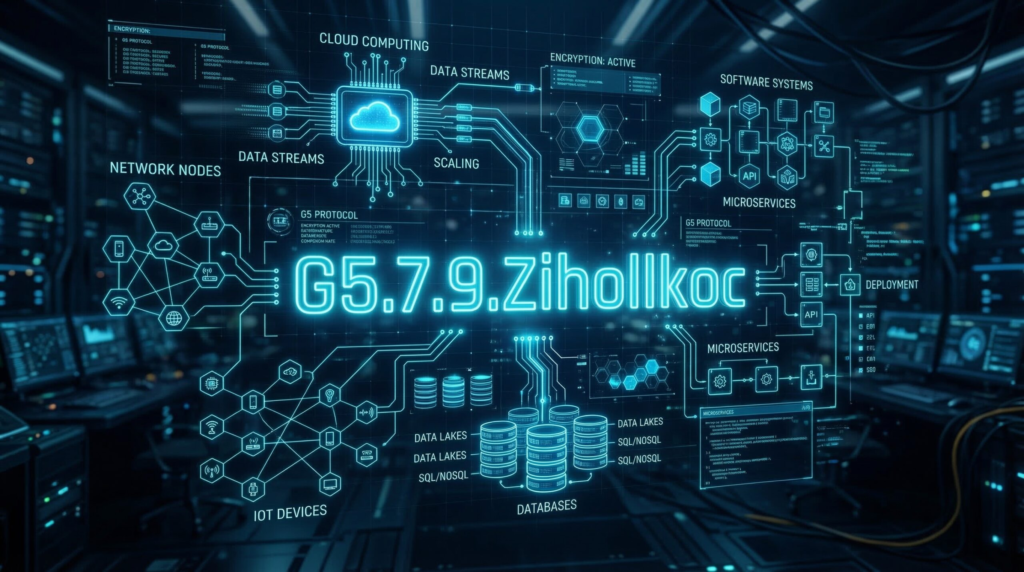
In cybersecurity, g5.7.9.zihollkoc plays a crucial role in fortifying defenses against potential threats and vulnerabilities. By incorporating this technology, organizations can implement robust security measures and protocols that protect sensitive information from unauthorized access. This integration is paramount in an era where cybersecurity threats are ever-evolving, thus ensuring data integrity and confidentiality.
In conclusion, the advancements brought about by g5.7.9.zihollkoc underscore its significance in facilitating innovations across multiple industries. Its applications not only enhance everyday operations but also strengthen the infrastructure that supports our modern world.
Challenges and Controversies Surrounding g5.7.9.zihollkoc
The implementation and adoption of g5.7.9.zihollkoc have not been without challenges and controversies. As specialists strive to explore its full potential, critical perspectives have emerged regarding both its technical aspects and broader implications. One of the primary concerns is related to security. As with any advanced technological system, g5.7.9.zihollkoc can create vulnerabilities that may compromise sensitive data or user privacy. The risks associated with breaches or misuse necessitate ongoing scrutiny and development of robust security measures, which can be both complex and costly.
Furthermore, the ethical implications surrounding g5.7.9.zihollkoc warrant significant attention. Stakeholders, including developers, policymakers, and end-users, often find themselves at odds regarding the responsible use of this technology. Conversations about ownership of data, consent, and algorithmic bias have surfaced, prompting debates about who ultimately benefits from g5.7.9.zihollkoc and at what cost. These discussions highlight the need for a transparent framework that addresses ethical concerns while fostering innovation.
Moreover, the environmental impacts associated with deploying g5.7.9.zihollkoc are a hot topic among experts. As the technology evolves, its infrastructure may lead to an increase in energy consumption and electronic waste. This raises questions about sustainability, prompting calls for more eco-friendly practices in the development and implementation of g5.7.9.zihollkoc systems.
In addition to these concerns, the market dynamics surrounding g5.7.9.zihollkoc introduce another layer of complexity. Competition between firms pursuing their versions of this technology could lead to fragmentation, making it difficult for users to navigate the offerings available. Consequently, the challenges and controversies around g5.7.9.zihollkoc must be addressed holistically, ensuring that the benefits can be harnessed while minimizing potential drawbacks.
Future Trends Related to g5.7.9.zihollkoc
The landscape surrounding g5.7.9.zihollkoc is poised for significant transformation in the years ahead. As technology continues to evolve, we anticipate several key trends that will shape its development and implementation. One notable trend is the increasing adoption of artificial intelligence (AI) and machine learning (ML) within the framework of g5.7.9.zihollkoc. These technologies are expected to enhance the efficiency and effectiveness of systems, allowing for more sophisticated data analysis and efficient decision-making processes.
Furthermore, the integration of g5.7.9.zihollkoc with Internet of Things (IoT) devices is likely to yield considerable advancements. This synergy will facilitate a more interconnected environment where devices communicate seamlessly, enabling real-time data provision and improving automation capabilities. As a result, industries such as healthcare, manufacturing, and smart cities will likely witness enhanced productivity and operational efficiencies.
Another critical trend pertains to enhancements in cybersecurity measures associated with g5.7.9.zihollkoc. As reliance on digital platforms grows, so do vulnerabilities. It will be crucial for stakeholders to invest in robust security protocols to safeguard sensitive data and maintain user trust. This shift toward prioritizing cybersecurity will create new opportunities for innovation in protective technologies, ensuring that the infrastructure supporting g5.7.9.zihollkoc remains resilient against emerging threats.
Moreover, societal adaptation to these advancements will play a pivotal role in their success. Users will need to embrace new applications and functionalities arising from g5.7.9.zihollkoc, facilitating a more collaborative and efficient environment both in their personal and professional lives. In this context, educational initiatives that equip individuals with the knowledge necessary to navigate these advancements will be of utmost importance.
